
Castles
Early castles were small and built from wood, but soon people were building larger castles made from stone. During the time of castles, rich and powerful people would live very differently from the common people who lived in the towns and on the farms around the castle.
Castles were built for powerful people to live in safety. Attackers had to be very clever to overcome their defences! Find out how people kept castles safe, and how enemies attacked them.
There are four different types of castle:
1. WITHIN AN EXISTING ROMAN FORTRESS
2. MOTTE AND BAILEY CASTLES
3. STONE KEEP CASTLES
4. CONCENTRIC CASTLES
 |
BBC Teach - Castles and Knight - The features of a castle |
| Fatima and Harry find out about the main features of a castle - including the moat, drawbridge, battlements, thick walls, towers, etc. |
BBC Teach: Castles and Knights: The Features of a Castle
Watch the video to learn more...
Resources
Please select from the links below.

English Heritage Castles
From Norman earthworks to mighty royal fortresses and from Cornwall to Northumberland, these castles and forts tell the turbulent and often surprising story of power, war and siege in England.
Explore the history of castles through time, learn more about medieval life. Please click on the picture link.
BBC Hands on History
Take a step back in time and re-create life in Norman Britain with our resources.

|
Norman Castles Eye Spy Activities - How do you know it's Norman | [pdf 298KB] |

|
|
|
Castle Activities | [pdf 863KB] |
|
What is a siege?
A siege is when an enemy surrounds a town, castle or other building so no one can escape and no food can get in.
It was very important for the people inside the castle to be prepared. They needed supplies of food and water to live on.
Getting fresh food was difficult so they needed to find ways to preserve food by drying, salting and storing it. For a safe water supply, castles needed their own well.
During a siege, attackers could poison the water coming into a castle and the people inside would have to surrender. Digging a well inside the castle meant there was a safe supply of water that enemies couldn't get at.

Siege at the Castle Game
Can you be the first to take the castle? Collect all the pieces of the trebuchet to break through the castle defences and win the game.
Features of a Castle

Norman Castles - Motte and Bailey
The Norman motte and bailey castles were quick to construct. William probably brought three ready-made wooden towers with him from Normandy to erect at Pevensey, Hastings and Dover (a bit like a flat-pack kit!). The original settlements were strong, but were also easy to attack and burn down. Battering rams could be used on the wooden fences around the bailey and planks of wood placed over the ditches so soldiers could just climb inside. Later many parts of the castles and fences were rebuilt out of stone to make them stronger and more difficult to burn down. We can still see many of these stone ruins today.
Motte (mound) – a large mound of earth, had steep sides to make it difficult for attackers to run up and attack the castle. The motte wasn’t a natural hill, but was man-made. Mottes ranged from 25 to 80 foot high. To create the motte at Tonbridge Castle 50,000 tonnes of earth were moved.
Bailey (compound) – a simple enclosure filled with residential wooden buildings, animals and food that ranged from one to three acres in size. The bailey enclosure was also surrounded by a wooden palisade (defensive wall) which often had a walkway half-way up so that soldiers could keep watch. Both the motte and bailey were surrounded by a ditch often filled with water and, in some cases, sections of rivers were diverted into it. On the opposite side of the motte to the bailey thorn bushes and brambles were added to deter attackers.
Keep (lookout tower and central strong point) – On top of the motte a timber tower (later replaced in stone) was built to be the strong point of the castle and the residence of its owner, usually an important Norman nobleman. The tower was surrounded by a wooden palisade (defensive wall). From the top of the tower you could see any potential attackers.
Key characteristics:
• Large and intimidating for local Anglo-Saxon residents
• Usually a square centre with four corner turrets and a stone walkway for soldiers to keep watch including spaces to ?re arrows through.
• Very thick walls which made it diffcult to use a battering ram to attack.
• The entrance was on the first floor with stairs that could be knocked down if the castle was threatened.
• When people were attacking a stone keep they would use a trebuchet (siege engine) to fire large boulders at the walls. As the walls were square it was also possible to dig a tunnel through the motte up to the corner of the tower, using wood to stop the tunnel collapsing, they would then fill the tunnel with material such as pig fat and set it on fire. The fire would burn the central wooden buildings and make the tower collapse.
Is an imposing tower standing proud on its high mound. Built by William the Conqueror to strengthen his military grip on the north, the mound of Clifford's Tower is all that remains of his original castle. It was one of the two motte and bailey castles he built in York in 1068-69. The tower housed some famous prisoners during its time as a gaol. George Fox, founder of the Society of Friends, or Quakers, was held here for two nights in 1665. Also imprisoned in the tower was the notorious highwayman, Dick Turpin, captured under the alias 'Palmer'. However a letter he wrote from the tower allowed his true identity to be revealed, through his handwriting, and he was executed in York on 7 April 1739.

Colchester Castle
Colchester Castle is the largest Norman Keep in Europe and showcases archaeological collections covering 2,500 years of history, including some of the most important Roman finds in Britain.

Hastings Castle
Visitors to Hastings Castle can discover the history of Britain’s first ever Norman castle and take in the views of the Hastings coastline.

Skipton Castle
Over 900 years old, Skipton Castle is one of the most complete and best preserved medieval castles in England.
The Tower of London

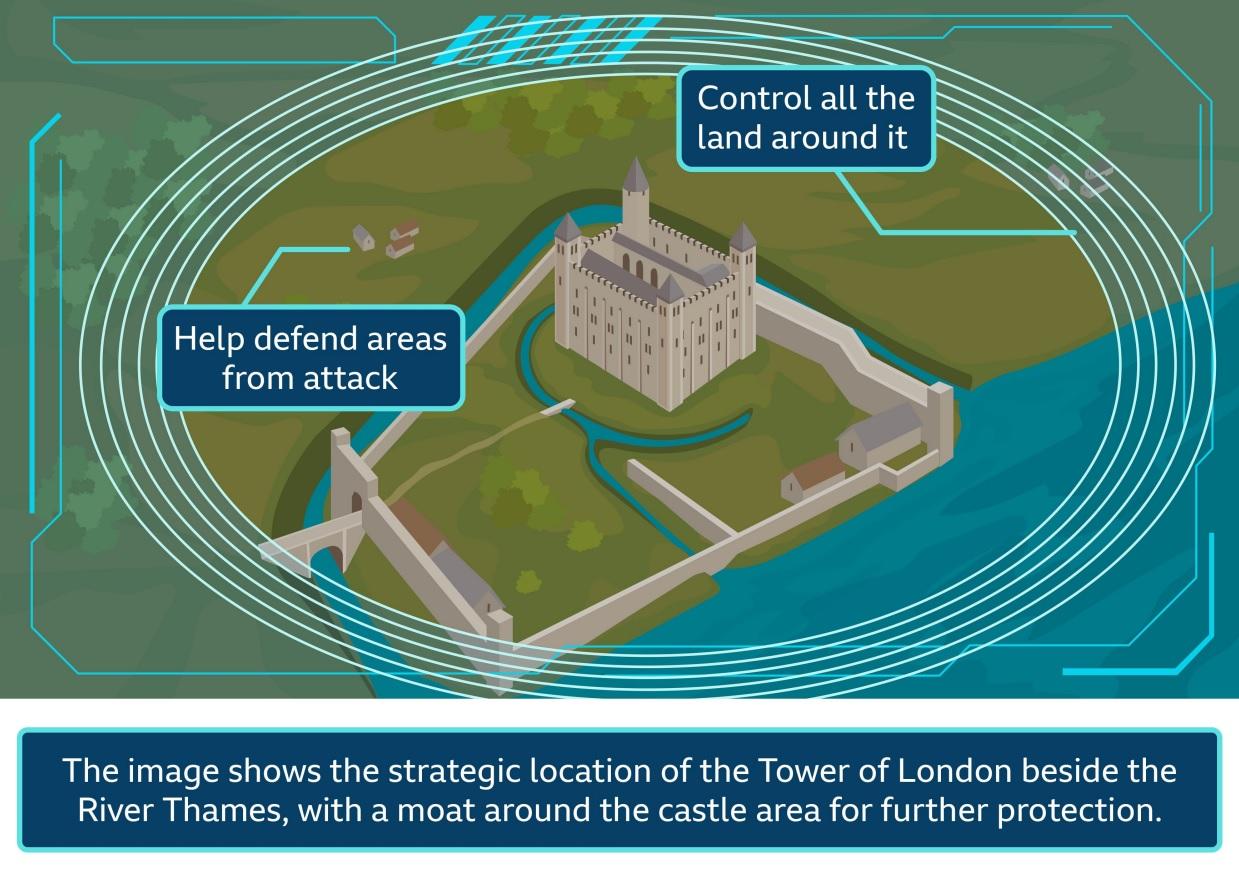
The Tower was one of the first castles to be built by William, Duke of Normandy, following his successful conquest of England. Our guide to the Tower and the many functions it has served over the centuries is Queen Elizabeth I, who was imprisoned in the Tower by her half-sister, Mary I.

Tintagel Castle
Perched on the craggy Cornish coast, Tintagel Castle is where the fifth and sixth-Century ruler King Arthur was born - according to mythical tales.
Arthur is described as a warrior who led the Britons into battle against the Saxons, but historians have never been able to definitively prove his existence. It was in 1480 that William Worcestre, a history expert, named Tintagel as Arthur's birthplace and the legends surrounding the castle grew.
The Tintagel Castle that can be seen today wasn’t built until well after Arthur’s time - it dates back to the 13th Century when the Earl of Cornwall bought the site. However, Roman artefacts from the area suggest Tintagel was occupied as early as the 3rd and 4th Centuries. The romantic setting conjures up all sorts of fantastical tales. Beneath the clifftops is Merlin’s Cave – where the equally renowned wizard lived to protect the king from evil.
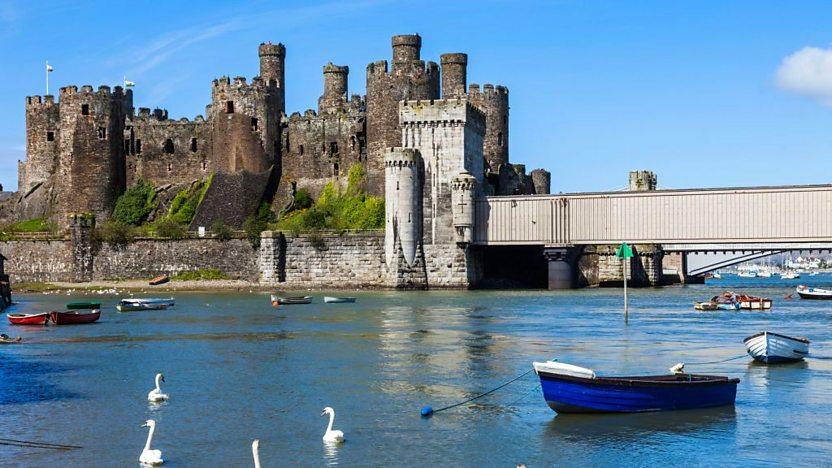
Conway Castle
At this World Heritage site, built late in the 13th Century by English monarch Edward I to suppress Welsh uprisings.
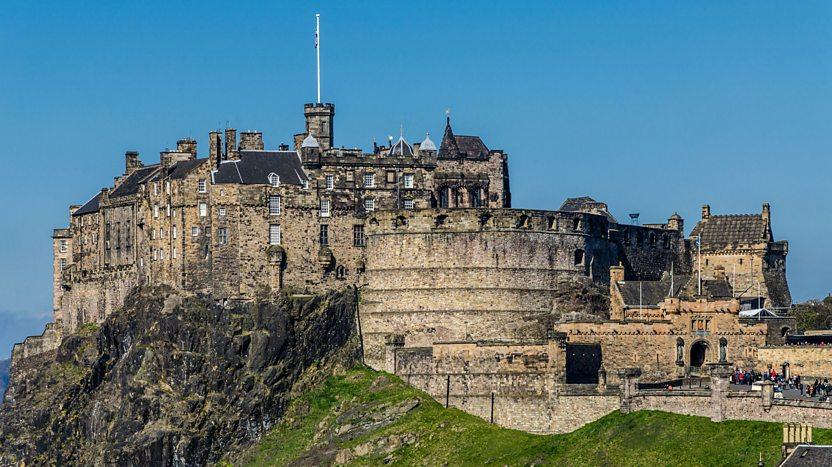
Edinburgh Castle
|
Barnaby Bear - Visits Edinburgh Castle |

Balmoral Castle
Not all castles we see today were built for war and battle. Balmoral Castle was built in 1800s as a holiday home for Queen Victoria and Prince Albert. Balmoral Castle is in Royal Deeside, Aberdeenshire. Victoria and Albert chose Deeside because they were told the weather was better there than in other parts of Scotland.
At Balmoral Castle, Queen Victoria and Prince Albert liked to:
- take long walks and enjoy the scenery
- write in her diary
- paint or sketch
- take part in hunting
Life in a Castle
Once upon a time castles were full of life, bustle and noise and crowded with lords, knights, servants, soldiers and entertainers. In times of war and siege they were exciting and dangerous places, but they were homes as well as fortresses.

Lord and Lady of the castle
The most important person in a castle was the owner —the king, lord, knight or lady. But they didn't live there all the time. Kings of England owned dozens of castles, and could never have visited them all.
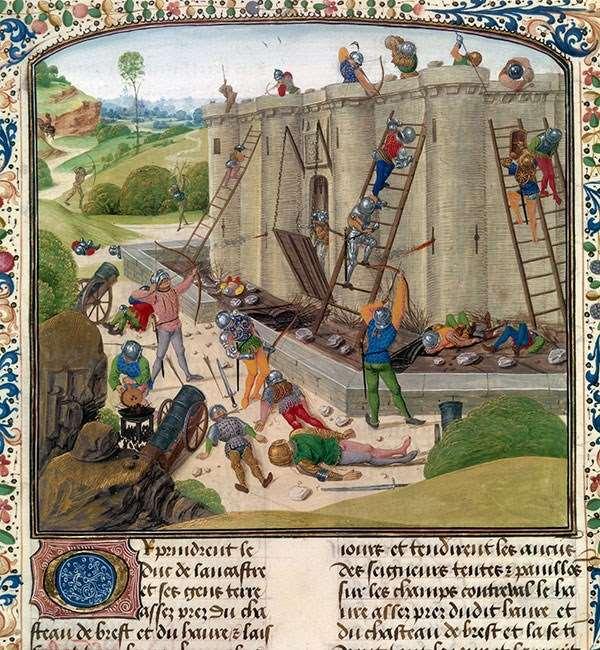
Soldiers
Castles were no use without soldiers to defend them. In peacetime, a small castle might have a garrison of only a dozen soldiers or even fewer. This was just enough to open the gate, operate the portcullis and drawbridge and patrol the walls against stray robbers who tried to break in.
Servants
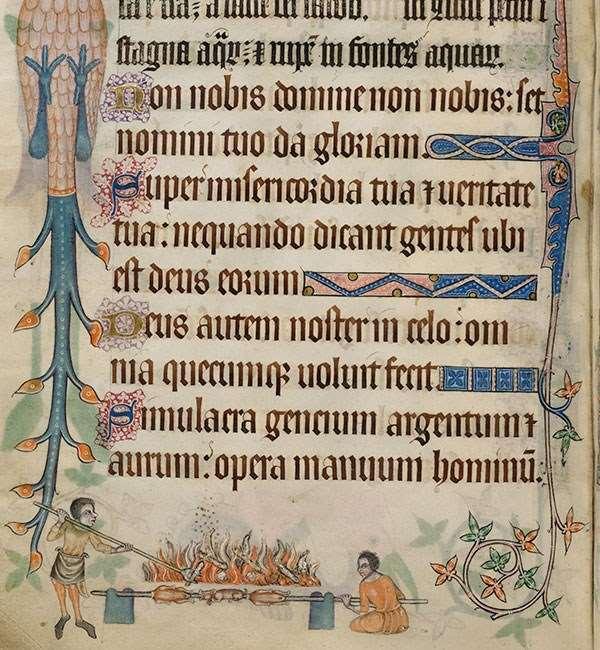
Because all housework was done by hand, castles were full of servants —especially when the owner was at home. The poshest servants were pages and damsels, or children of wealthy families learning good manners by working in a lordly household. Ordinary servants ranged from the important steward, butler (in charge of drink) and head groom down to the hot and greasy boy who turned the spit for roasting meat over the fire, and of course the gong farmer. Lowlier servants slept anywhere within the castle they could find, and in summer started work at 5.30am, continuing until about 7pm. They had few days off and little pay, but were given uniforms (called liveries) in their lord's colours and regular meals all year round. Even the lord's leftovers were much tastier than peasant food. So being a castle servant was a sought-after job.
The Cook
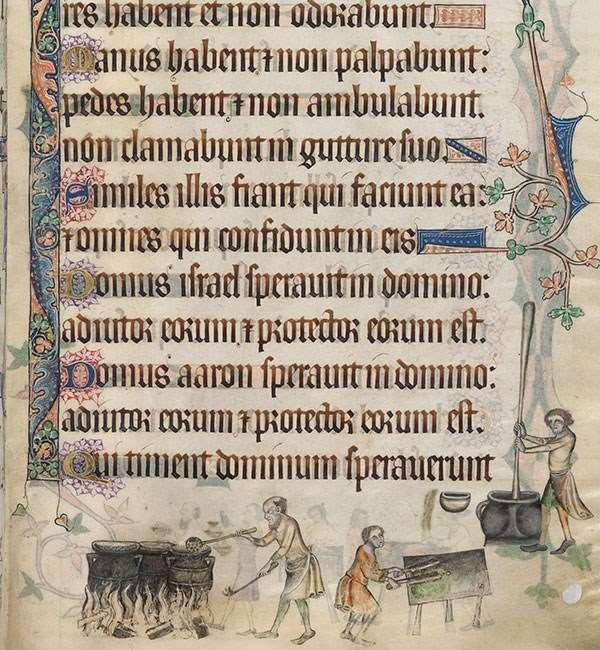
Cooks were among the busiest castle servants. He cooked many meats we don't eat today including swans, peacocks, larks and herons, as well as beef, pork, mutton, rabbits and deer. In winter, with no refrigeration, there was little fresh food. Medieval kitchens were hot, noisy places, with massive fireplaces for spit-roasting meat and many ovens, and cauldrons for boiling. Fats from cooking were used again and again, or made into candles; the kitchen was locked at night to stop servants stealing fat for a tasty treat.
The Jester
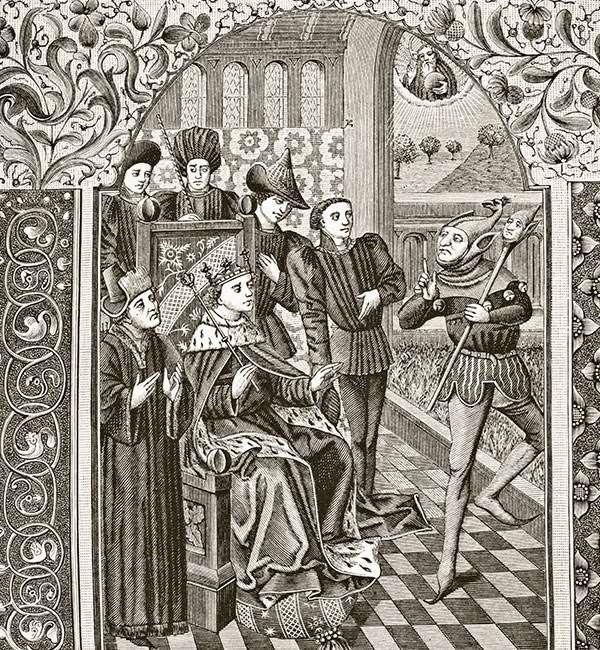
In castles all entertainment was live and at great feasts, lordly hosts were expected to lay on minstrels, jugglers and acrobats. Jesters, or fools, were something special, employed full-time by a king or lord. (Henry II had one called 'Roland the Musical Farter', who 'performed' every Christmas in return for a grant of land). They usually wore a brightly-coloured fool's outfit, for instance, a hood with donkey's ears. But in reality, they had to be wise and quick-witted, and they were often so favoured by their masters that they could get away with mocking barons or even monarchs, telling the truth in jokey form. However, Triboulet, the King of France's Fool, went too far; he was sentenced to execution but allowed to choose how he would die. 'Of old age', he replied, and was pardoned.
The Gong Farmer
